The Academy: logistics and freight forwarding courses.
Live webinars, micro-learnings, e-learning modules and immersive training programmes for freight forwarders and supply chain teams.
Browse the catalogue
Filter by format to find what fits how you work.
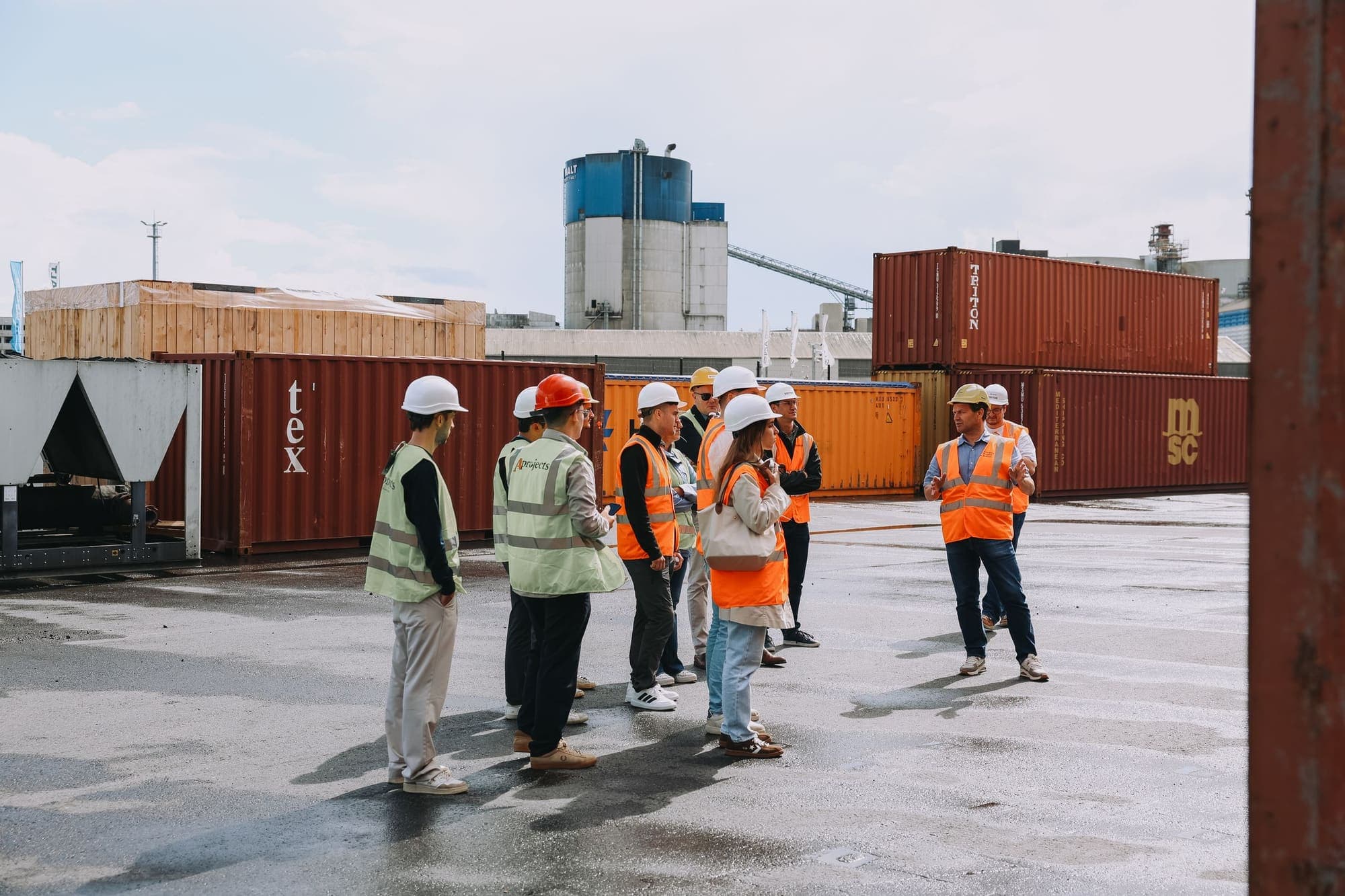
Young Forwarders Benelux
A European Ports Immersion Week for the next generation of Benelux freight forwarders.
Explore →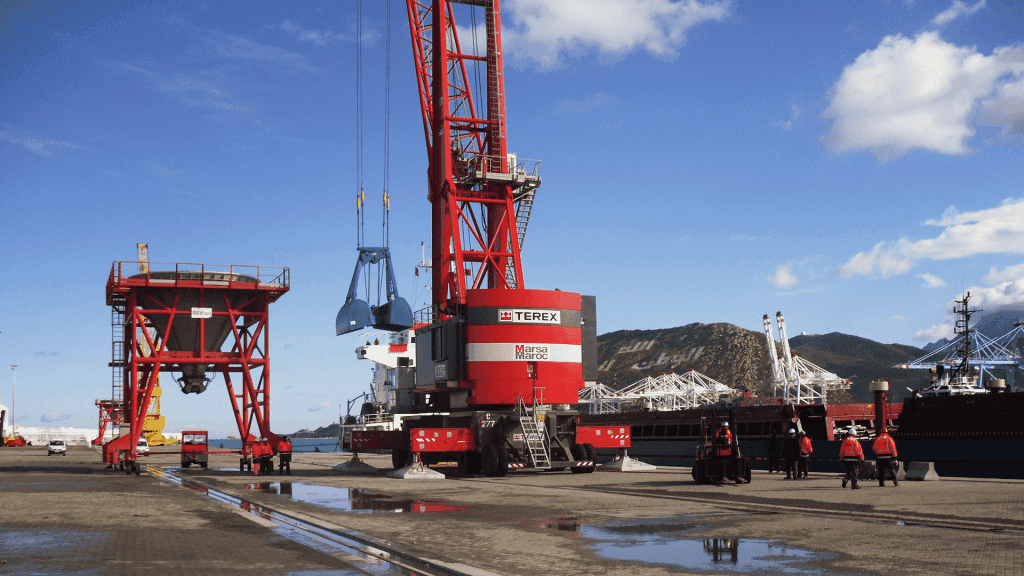
North Africa Learning Trip 2026
Boots-on-the-ground logistics learning across Egypt, Tunisia and Morocco.
Explore →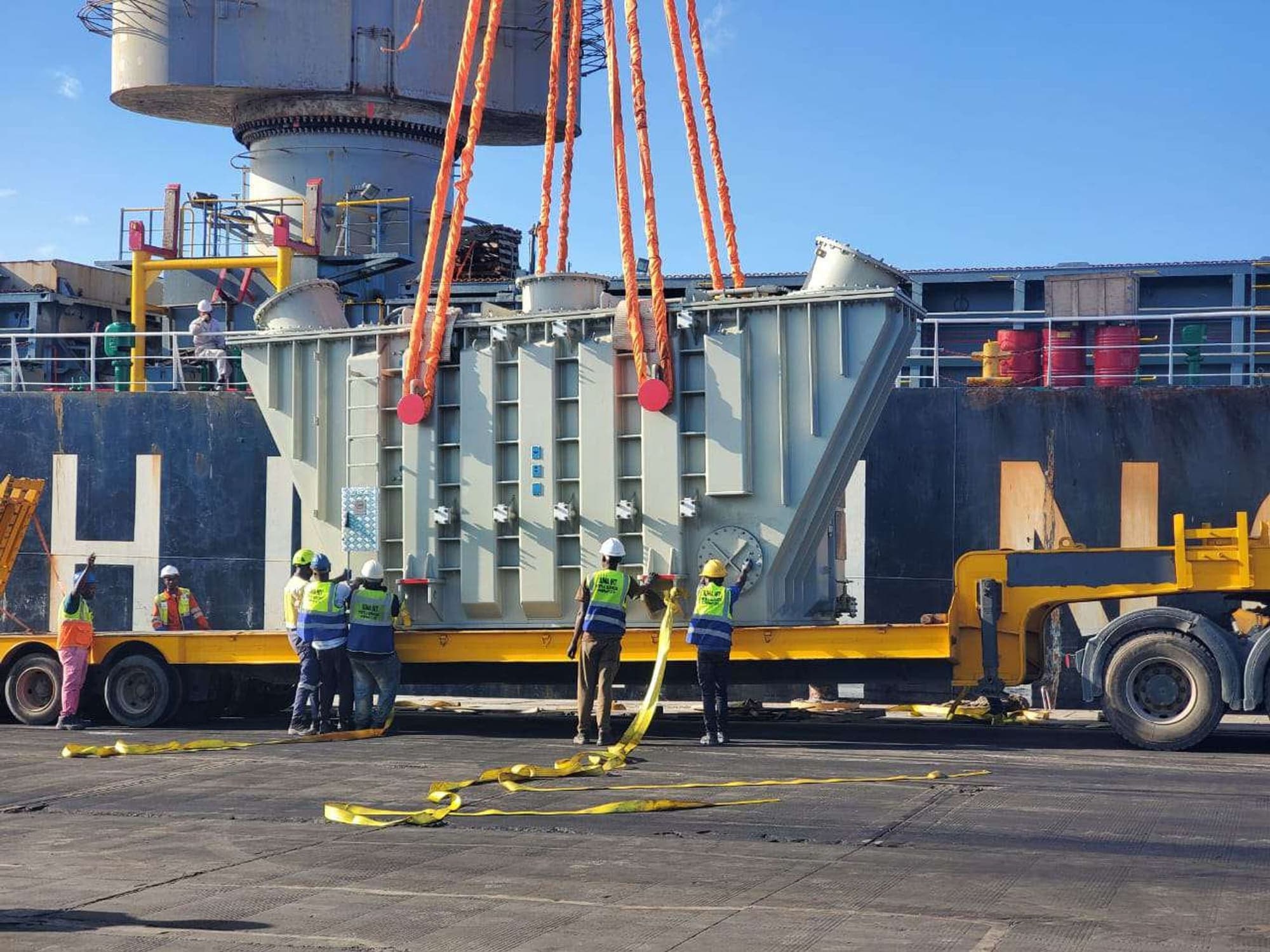
Breakbulk Training
Webinars on planning and executing breakbulk and project cargo movements.
Explore →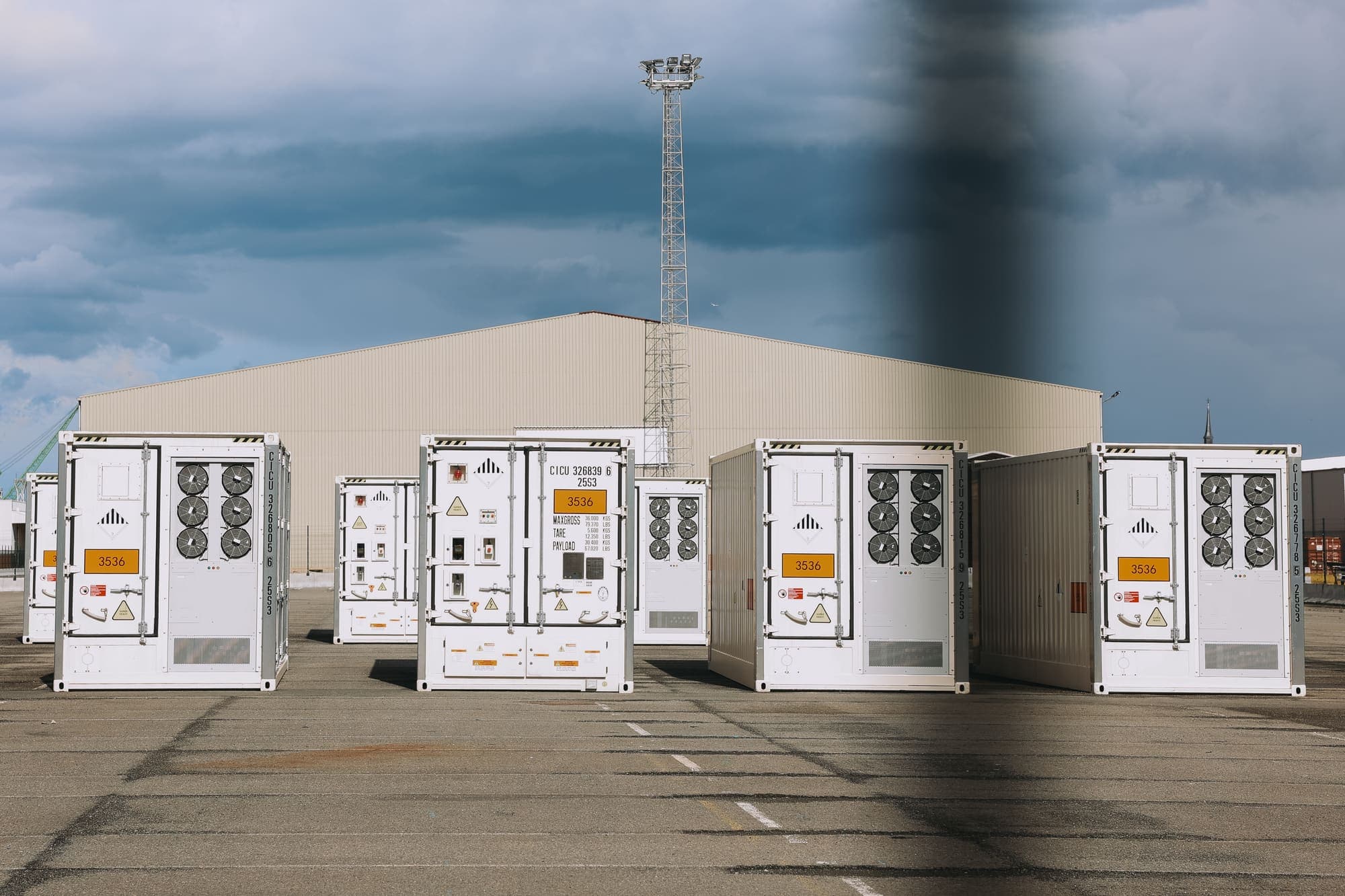
BESS Logistics Training
Battery energy storage logistics: transport, safety and compliance. Three editions with Portilog since March 2026 — Edition 4 on 9 December 2026.
Explore →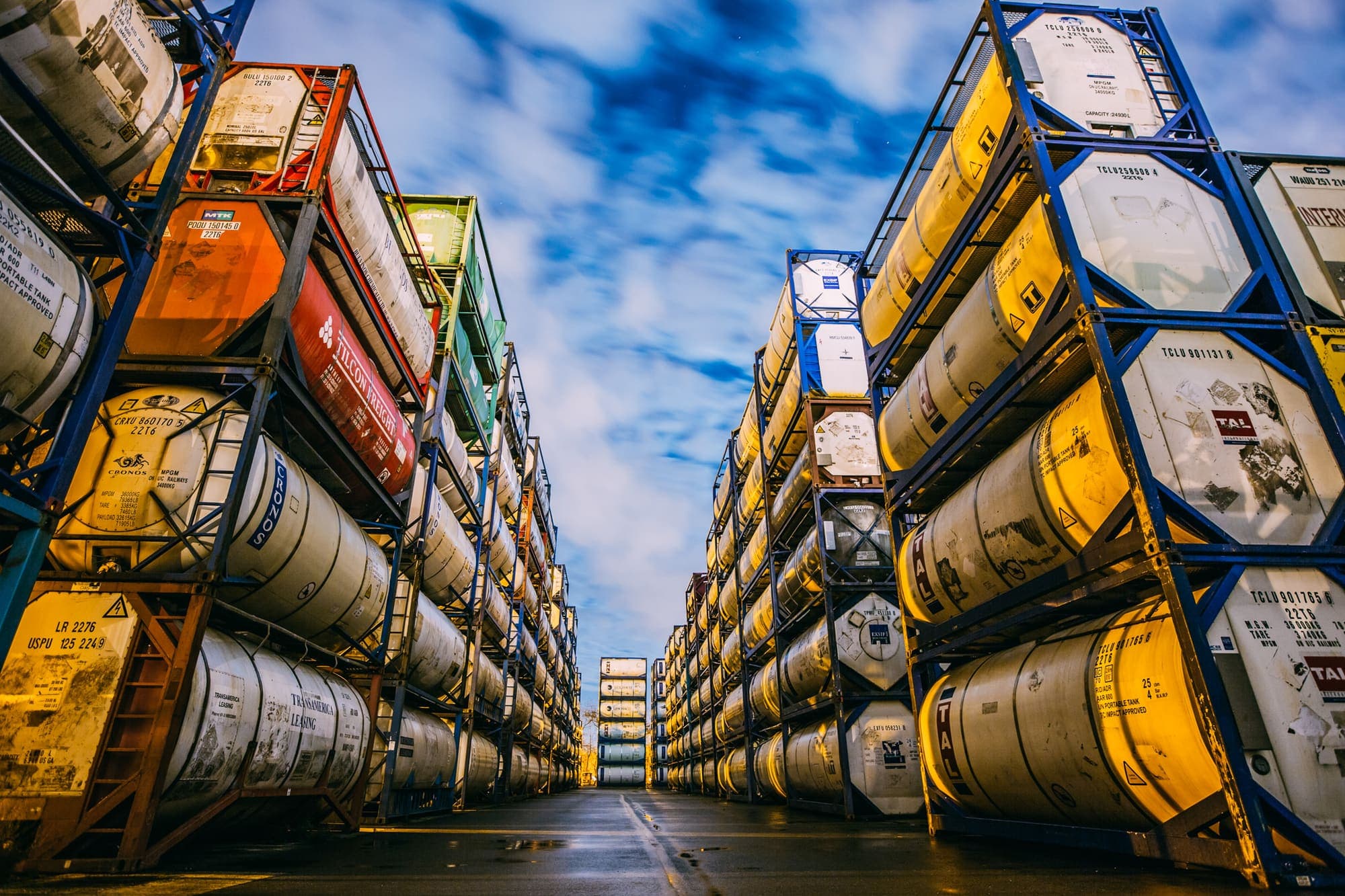
E-learning
On-demand courses covering trade compliance, documentation and freight operations.
Explore →
Micro-learnings
Bite-sized lessons delivered year-round, for teams that learn in the flow of work.
Explore →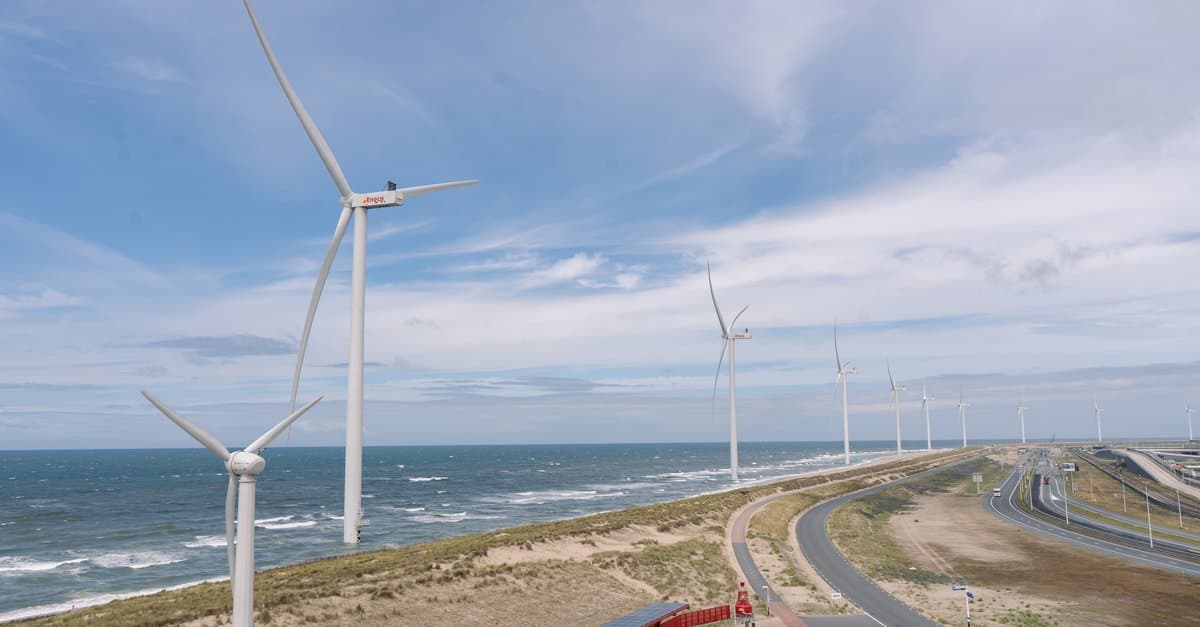
Sustainability Award
Recognising freight forwarders' environmental, social and governance initiatives. 2026 winners announced for CrossTrades and SeaBlue Project Logistics Network.
Explore → webinar · 13 Nov 2026
No AI = No Business. Start Now!
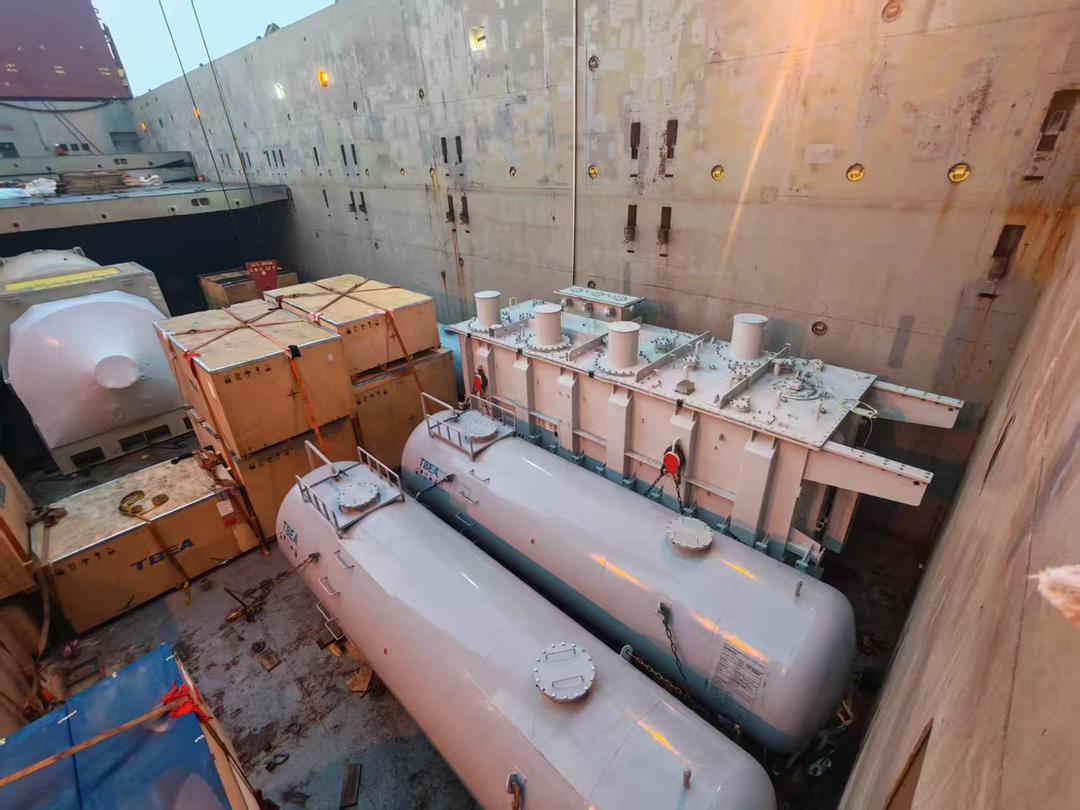
Your customers are investing in AI. They use it to compare options, plan shipments and prepare decisions, and they expect the same speed from every partner in the chain. You don't need to be a front-runner to keep up. You don't need an IT project or new software. Keep the AI you already use. What makes the difference is not the tool. It is what the tool knows. Every AI answer leaves three questions open: Can I trust the data? Is it complete? Who can handle it? That is where your knowledge makes the difference. In September we ran two workshops on exactly this in Ho Chi Minh City. Both sold out within an hour. This online session is for everyone in shipping and project cargo who wants to see it for themselves. Same AI. Same question. Different answers. We asked an AI how to move a 75-metre wind turbine blade from Lille, via Antwerp, to a wind farm in Brazil. Twice. On its own, the AI said: permits are needed in France and Belgium, engage a specialist transport company, find a suitable breakbulk vessel, appoint a local agent in Brazil. Correct, and generic. With real lane and partner knowledge, the same AI said: Permits: which authority, which permit category, the lead time and the night-convoy window Road: the trailer class required and a fallback route permitted in parallel Sea: what to check on the vessel, including crane capacity at the working radius Destination: which partner to ask for a quote, and the customs points to watch The gaps: what was still missing for a complete door-to-door solution, step by step Same AI. Different context. An answer you can quote on. What we cover in 90 minutes AI update: what is new, and what it means for forwarding A recent case from freight forwarding: problem, approach, result Context in plain words: why your own knowledge makes AI useful Live demo: the same AI, with and without real lane knowledge Hands-on: your first useful prompt, on one of your own documents Data security: who sees what, and how you stay in control Start now: one concrete step for Monday Open Q&A Who should join Decision-makers and operations managers at forwarders, shipping lines, agencies and shippers, and the import, export and operations people who will put it to work. No IT background needed. If you can write a good briefing to a new colleague, you can follow this session. Your hosts Geert De Wilde, founder of Loxygen. Nearly 30 years in logistics and project cargo, with leadership roles at Geodis, Bolloré Logistics and Gosselin. Co-founder and former CEO of NxtPort. Thijs de Vos, founder of AI Concepts Company. Nearly 20 years of international leadership experience, including 10 years at Coca-Cola, with a strong focus on innovation and digital transformation. Educated in AI at the Massachusetts Institute of Technology (MIT), he combines corporate leadership with practical AI expertise, and helps organisations embrace, understand and successfully implement AI. Practical Friday 13 November 2026 · 09:00–10:30 CET · live online No recording, so the questions stay about your business. Open to anyone in the maritime supply chain. Before the session: have an AI assistant ready. We demonstrate with Claude; a free account at claude.ai takes five minutes, and other assistants work as well. Bring one real document, such as an RFQ, a tender or a customer email, with confidential details removed. Booking three or more from one company? Contact geert@loxygen.world. FAQ Do I need to change my AI tool? No. The principle works with the AI you already use. Do I need technical knowledge? No. What happens to my data? It stays yours. During the session you choose what you use, and nothing is shared with anyone else. Is there a recording? No. The session is live only. Can I bring a colleague? Yes. Each participant registers separately.
 webinar · 8 Dec 2026
Breakbulk PRO
Contracts and voyage charters for experienced forwarders Tuesday 8 and Tuesday 15 December 2026 · 09:00–12:30 CET · Live online · Book one session or both · English Will 2027 be a year with new projects for your company? If it is, your risk will not sit in the freight rate. It will sit in the contract. A thumbs-up on WhatsApp can bind your company to a fixture. One clause in a rider can turn a quiet weekend into a demurrage bill. Breakbulk PRO gives your experienced people the legal and commercial reflexes to protect the margin before the cargo moves. Two stand-alone sessions with maritime expert Johan Proost. Who should join Experienced import, export, operations, chartering and project managers. They negotiate with owners and brokers, and they sign off fixtures, booking notes and recaps. Breakbulk Essentials alumni are especially welcome. Session 1 · Contractual Basics for Freight Forwarders Tuesday 8 December 2026 · 09:00–12:30 CET When a WhatsApp, an email or an emoji becomes a binding contract The four pillars: offer, acceptance, consideration, intention Offer versus invitation to treat, the mirror image rule and counter-offers "Subject to" clauses as your kill switch, and how your own actions lift them The battle of the forms: whose terms really apply Conditions, warranties and innominate terms: when you can walk away and when you can only claim Breach, mitigation and what you can actually recover Back-to-back contracts between owner and client Session 2 · Voyage Charterparties for Freight Forwarders Tuesday 15 December 2026 · 09:00–12:30 CET Freight versus hire: buying a result, not renting time GENCON 94: the boxes and the general conditions "Full and complete cargo", stowage factor and deadfreight The Junior K: subject to details means 100% bound or 0% bound Notice of Readiness and the arrived ship Laytime, demurrage and despatch: WWD, SHINC, SSHEX, WIBON Once on demurrage, always on demurrage FIOST, the Bill of Lading, the lien, strikes and general average Workshop: real laytime scenarios Three terms you will master Voyage charter: the vessel is hired for a specific voyage from port A to port B. The owner keeps control and freight is fixed, but the time risk in port shifts through laytime and demurrage. Laytime and demurrage: laytime is the time agreed for loading and discharging. Once it expires, demurrage starts at a daily rate. Subject to details: under The Junior K, no binding contract exists until all subjects are lifted, even when ship, rate and dates are agreed. Your trainer Johan Proost is a maritime expert specialised in charterparties, breakbulk, project cargo and heavy lift contracts. He founded Proost & Partners and has trained more than 1,000 freight forwarding professionals across Europe and Asia. What participants say NPS 100 on the May–June 2026 Breakbulk PRO series. "Do not trust anyone, put it into a contract!" — participant, Contractual Basics Fee EUR 385 per session (excl. VAT). EUR 350 per session for Breakbulk Essentials and Breakbulk PRO alumni. Loxygen training credits accepted: 1 credit per session. Maximum 20 participants per session. Registration is subject to our Terms & Conditions. Questions? Geert De Wilde · geert@loxygen.world
 immersive · 1 May 2027
Benelux Immersion Week
Boots on the ground! Meet our agents, port authorities, and industrial exporters to build strategic connections in European ports. Visit new energy hubs, European Main Ports, inland terminals, EDC's, and warehouses for real-world insights into logistics immersion. Build your network with next generation freight forwarders from the network. Return home fully inspired and learn how to sell to international corporations.
 e-learning · 1 Jan 2027
International Trade & Transport
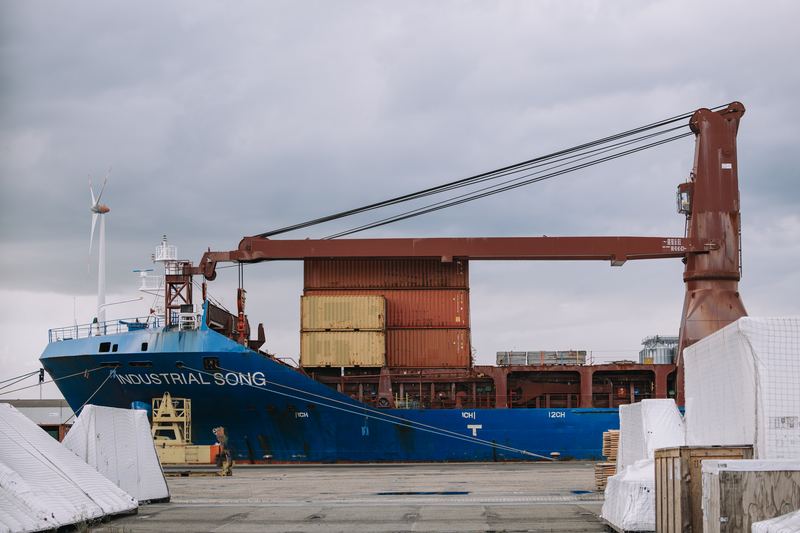
📘 International Trade and Transport English online e-learning International trade and transport is more than moving goods from A to B: it's a complex interplay of economic drivers, legal frameworks and global supply chains. A thorough grasp of the basics is what separates confident professionals from those who get lost in the terminology. This e-learning builds a solid foundation in international transport and complex trade flows — at your own pace, without classroom commitments. What will you gain? In-depth insight into the historical, economic and legal aspects of international trade and their impact on prosperity and society An overview of international freight transport, with a focus on maritime transport, supply chain stakeholders and relevant legislation Understanding of the principles and regulations surrounding trade and transport law, including the role of international organisations Programme Chapter 1 — Historical context and economic drivers of international trade Trade principles through the ages (from protectionism to free trade) Impact of expanding trade on the prosperity of countries and their populations Complex macro- and micro-financial and legal aspects Origins and functioning of international organisations regulating trade Contemporary economic and political challenges and opportunities Chapter 2 — The logical next phase after a trade transaction International transportation of goods, with a focus on maritime transport and related transport modes Development of maritime goods transport to its current state, with insights into diverse goods flows, the global fleet and ship types Transport agreements and principles of transport law Overview of the various parties in the supply chain involved in moving goods from origin to final destination (including loading and unloading operations in ports, storage, and further transport over inland waterways and land) Current legislation and regulation of international transport activities
 webinar · 9 Dec 2026
BESS Logistics — Edition 4
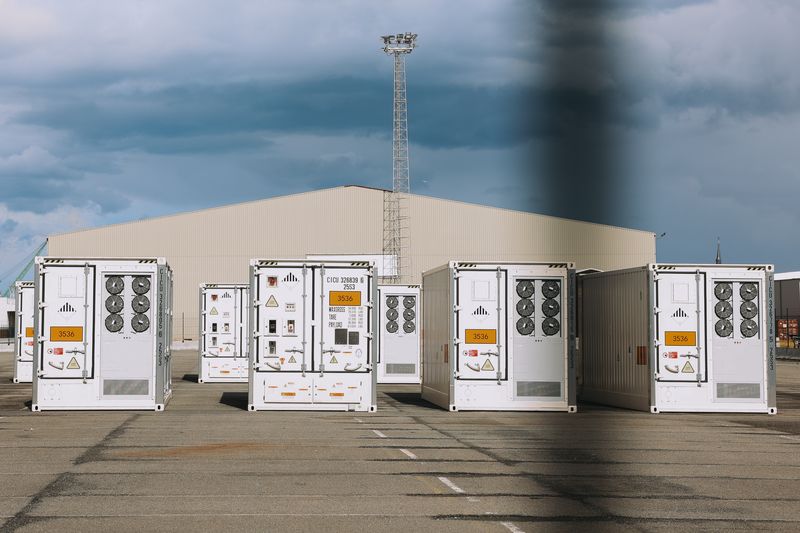
Battery energy storage systems (BESS) are a critical part of the energy transition, and one of the fastest-growing heavy dangerous-goods flows into Europe. Edition 4 lands one month before the EU battery passport becomes mandatory, as three deadlines converge on the same quay: black mass becomes regulated hazardous waste in the EU from 9 November 2026, an import wave is arriving ahead of China's export VAT rebate dropping to zero, and the battery passport becomes mandatory in February 2027. For freight forwarders, mastering BESS logistics is not just about compliance — it is a gateway to new, high-value markets. 9 December 2026 · 09:00–12:00 CET · live online · €350 per person excl. VAT · co-produced with Portilog What you will learn What is a battery — from residential and EV batteries to containerised industrial storage The EU battery passport: what changes in February 2027, and why the European importer carries the responsibility Black mass: hazardous-waste classification in the EU from 9 November 2026, and what it means for end-of-life flows The import wave: heavier units (55–60 tonnes), exceptional transport and the 30-day open-air window in Antwerp Three regimes, one file: origin, dangerous goods (UN 3536, IMDG Class 9, UN 38.3) and circularity Safe and compliant warehousing and storage: thermal runaway, spacing, ventilation, detection and compartmentalisation Expanded market coverage: new origins (China, Vietnam, the US, India), project pipelines in Europe, Egypt and India, and data-centre BESS Circularity and lifecycle logistics: maintenance, replacement and reverse flows Why this matters for your business Battery Energy Storage Systems (BESS) logistics sits at the intersection of: Energy transition Electrification and mobility Datacenters and digital infrastructure Circular economy and recycling Forwarders who invest in training and insights can turn regulatory complexity into a competitive advantage, positioning themselves as trusted partners in one of the fastest-growing logistics markets. Who this is for Alumni of Editions 1–3 who want the regulatory update, and forwarders and overseas agents new to BESS.
 webinar · 24 Nov 2026
Breakbulk Essentials
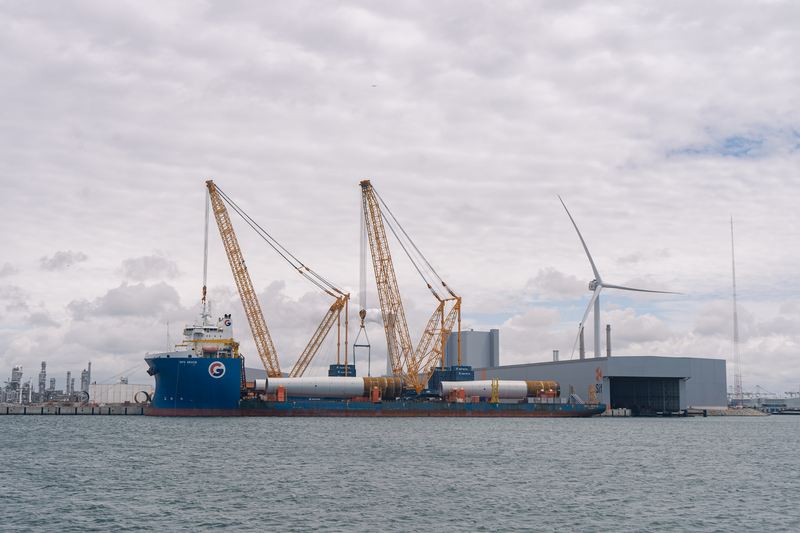
Build the team before the projects arrive Edition 6 · Tuesday 24 and Friday 27 November 2026 · 09:00–12:30 CET · Live online · 2 x 3.5 hours · English Will 2027 be a year with new projects for your company? Wind turbine components. Transformers. Battery storage. Industrial equipment moving to new production sites. More and more of this cargo does not fit in a box. The question is not whether these enquiries will reach your desk. The question is whether your team can quote them with confidence when they do. In breakbulk, one wrong assumption on dimensions, stowage or laytime costs more than the shipment earns. Breakbulk Essentials is where that confidence starts. Two focused live sessions. Real cases. Exactly what a freight forwarder needs to quote, book and manage the first breakbulk shipments. What is breakbulk? General cargo shipped as individual units, neither containerised nor bulk. Steel coils, machinery, timber, bags, drums and project pieces, handled piece by piece at loading and discharge. Who should join Import, export and operations managers with shipping experience who want to take on breakbulk business. Also for teams that already see breakbulk enquiries and want to handle them with confidence. Session 1 · The cargo Tuesday 24 November 2026 · 09:00–12:30 CET The breakbulk definition, and why it matters commercially Cargo types: general breakbulk, project cargo, heavy lift, neo-bulk, RoRo Vessels and stowage: multi-purpose vessels, hatch dimensions, tween decks, Lo/Lo versus RoRo Reading cargo specifications: dimensions, weight, centre of gravity, stowage factor Quoting breakbulk: what you need before you can price anything Port selection and technical feasibility The pre-shipment checklist Session 2 · The shipment Friday 27 November 2026 · 09:00–12:30 CET Documentation: Mate's Receipt, Bill of Lading, packing list, shipping marks Incoterms in breakbulk: FAS, FOB, CFR, CIF, and why the risk transfer point matters Charter basics for forwarders: the voyage charter and your obligations Laytime and demurrage: the basics every forwarder must understand Lashing, securing and surveys: your responsibilities at port Insurance in breakbulk: ICC A versus ICC C From enquiry to delivery: a complete breakbulk shipment walkthrough Your trainer Johan Proost is a maritime expert and breakbulk specialist with more than 30 years of hands-on experience in breakbulk shipping, charterparties and project cargo law. He founded Proost & Partners and is the lead trainer of the Loxygen Academy Breakbulk track, from Essentials through to Breakbulk PRO. Johan brings real cases, real contracts and real decisions into every session. What participants say Rated 4.7 out of 5 by participants of previous editions. Your learning path Breakbulk Essentials → Breakbulk PRO → Micro Learnings Essentials alumni receive priority access and an alumni rate for Breakbulk PRO. Fee EUR 595 per participant for both sessions (excl. VAT). Loxygen training credits accepted: 1 credit covers the full series. Places are limited. Registration is subject to our Terms & Conditions. Questions? Geert De Wilde · geert@loxygen.world
Upcoming courses
No AI = No Business. Start Now!Webinar · 13 November 2026
Your customers are investing in AI. They use it to compare options, plan shipments and prepare decisions, and they expect the same speed from every partner in the chain.
You don't need to be a front-runner to keep up. You don't need an IT project or new software. Keep the AI you already use. What makes the difference is not the tool. It is what the tool knows.
Every AI answer leaves three questions open: Can I trust the data? Is it complete? Who can handle it? That is where your knowledge makes the difference.
In September we ran two workshops on exactly this in Ho Chi Minh City. Both sold out within an hour. This online session is for everyone in shipping and project cargo who wants to see it for themselves.
Same AI. Same question. Different answers.
We asked an AI how to move a 75-metre wind turbine blade from Lille, via Antwerp, to a wind farm in Brazil. Twice.
On its own, the AI said: permits are needed in France and Belgium, engage a specialist transport company, find a suitable breakbulk vessel, appoint a local agent in Brazil. Correct, and generic.
With real lane and partner knowledge, the same AI said:
- Permits: which authority, which permit category, the lead time and the night-convoy window
- Road: the trailer class required and a fallback route permitted in parallel
- Sea: what to check on the vessel, including crane capacity at the working radius
- Destination: which partner to ask for a quote, and the customs points to watch
- The gaps: what was still missing for a complete door-to-door solution, step by step
Same AI. Different context. An answer you can quote on.
What we cover in 90 minutes
- AI update: what is new, and what it means for forwarding
- A recent case from freight forwarding: problem, approach, result
- Context in plain words: why your own knowledge makes AI useful
- Live demo: the same AI, with and without real lane knowledge
- Hands-on: your first useful prompt, on one of your own documents
- Data security: who sees what, and how you stay in control
- Start now: one concrete step for Monday
- Open Q&A
Who should join
Decision-makers and operations managers at forwarders, shipping lines, agencies and shippers, and the import, export and operations people who will put it to work. No IT background needed. If you can write a good briefing to a new colleague, you can follow this session.
Your hosts
Geert De Wilde, founder of Loxygen. Nearly 30 years in logistics and project cargo, with leadership roles at Geodis, Bolloré Logistics and Gosselin. Co-founder and former CEO of NxtPort.
Thijs de Vos, founder of AI Concepts Company. Nearly 20 years of international leadership experience, including 10 years at Coca-Cola, with a strong focus on innovation and digital transformation. Educated in AI at the Massachusetts Institute of Technology (MIT), he combines corporate leadership with practical AI expertise, and helps organisations embrace, understand and successfully implement AI.
Practical
Friday 13 November 2026 · 09:00–10:30 CET · live online
No recording, so the questions stay about your business. Open to anyone in the maritime supply chain.
Before the session: have an AI assistant ready. We demonstrate with Claude; a free account at claude.ai takes five minutes, and other assistants work as well. Bring one real document, such as an RFQ, a tender or a customer email, with confidential details removed.
Booking three or more from one company? Contact geert@loxygen.world.
FAQ
Do I need to change my AI tool? No. The principle works with the AI you already use.
Do I need technical knowledge? No.
What happens to my data? It stays yours. During the session you choose what you use, and nothing is shared with anyone else.
Is there a recording? No. The session is live only.
Can I bring a colleague? Yes. Each participant registers separately.
Breakbulk EssentialsWebinar · 24 November 2026
Build the team before the projects arrive
Edition 6 · Tuesday 24 and Friday 27 November 2026 · 09:00–12:30 CET · Live online · 2 x 3.5 hours · English
Will 2027 be a year with new projects for your company?
Wind turbine components. Transformers. Battery storage. Industrial equipment moving to new production sites. More and more of this cargo does not fit in a box.
The question is not whether these enquiries will reach your desk. The question is whether your team can quote them with confidence when they do. In breakbulk, one wrong assumption on dimensions, stowage or laytime costs more than the shipment earns.
Breakbulk Essentials is where that confidence starts. Two focused live sessions. Real cases. Exactly what a freight forwarder needs to quote, book and manage the first breakbulk shipments.
What is breakbulk?
General cargo shipped as individual units, neither containerised nor bulk. Steel coils, machinery, timber, bags, drums and project pieces, handled piece by piece at loading and discharge.
Who should join
Import, export and operations managers with shipping experience who want to take on breakbulk business. Also for teams that already see breakbulk enquiries and want to handle them with confidence.
Session 1 · The cargo
Tuesday 24 November 2026 · 09:00–12:30 CET
- The breakbulk definition, and why it matters commercially
- Cargo types: general breakbulk, project cargo, heavy lift, neo-bulk, RoRo
- Vessels and stowage: multi-purpose vessels, hatch dimensions, tween decks, Lo/Lo versus RoRo
- Reading cargo specifications: dimensions, weight, centre of gravity, stowage factor
- Quoting breakbulk: what you need before you can price anything
- Port selection and technical feasibility
- The pre-shipment checklist
Session 2 · The shipment
Friday 27 November 2026 · 09:00–12:30 CET
- Documentation: Mate's Receipt, Bill of Lading, packing list, shipping marks
- Incoterms in breakbulk: FAS, FOB, CFR, CIF, and why the risk transfer point matters
- Charter basics for forwarders: the voyage charter and your obligations
- Laytime and demurrage: the basics every forwarder must understand
- Lashing, securing and surveys: your responsibilities at port
- Insurance in breakbulk: ICC A versus ICC C
- From enquiry to delivery: a complete breakbulk shipment walkthrough
Your trainer
Johan Proost is a maritime expert and breakbulk specialist with more than 30 years of hands-on experience in breakbulk shipping, charterparties and project cargo law. He founded Proost & Partners and is the lead trainer of the Loxygen Academy Breakbulk track, from Essentials through to Breakbulk PRO. Johan brings real cases, real contracts and real decisions into every session.
What participants say
Rated 4.7 out of 5 by participants of previous editions.
Your learning path
Breakbulk Essentials → Breakbulk PRO → Micro Learnings
Essentials alumni receive priority access and an alumni rate for Breakbulk PRO.
Fee
EUR 595 per participant for both sessions (excl. VAT). Loxygen training credits accepted: 1 credit covers the full series.
Places are limited. Registration is subject to our Terms & Conditions.
Questions? Geert De Wilde · geert@loxygen.world
Breakbulk PROWebinar · 8 December 2026
Contracts and voyage charters for experienced forwarders
Tuesday 8 and Tuesday 15 December 2026 · 09:00–12:30 CET · Live online · Book one session or both · English
Will 2027 be a year with new projects for your company?
If it is, your risk will not sit in the freight rate. It will sit in the contract. A thumbs-up on WhatsApp can bind your company to a fixture. One clause in a rider can turn a quiet weekend into a demurrage bill.
Breakbulk PRO gives your experienced people the legal and commercial reflexes to protect the margin before the cargo moves. Two stand-alone sessions with maritime expert Johan Proost.
Who should join
Experienced import, export, operations, chartering and project managers. They negotiate with owners and brokers, and they sign off fixtures, booking notes and recaps. Breakbulk Essentials alumni are especially welcome.
Session 1 · Contractual Basics for Freight Forwarders
Tuesday 8 December 2026 · 09:00–12:30 CET
- When a WhatsApp, an email or an emoji becomes a binding contract
- The four pillars: offer, acceptance, consideration, intention
- Offer versus invitation to treat, the mirror image rule and counter-offers
- "Subject to" clauses as your kill switch, and how your own actions lift them
- The battle of the forms: whose terms really apply
- Conditions, warranties and innominate terms: when you can walk away and when you can only claim
- Breach, mitigation and what you can actually recover
- Back-to-back contracts between owner and client
Session 2 · Voyage Charterparties for Freight Forwarders
Tuesday 15 December 2026 · 09:00–12:30 CET
- Freight versus hire: buying a result, not renting time
- GENCON 94: the boxes and the general conditions
- "Full and complete cargo", stowage factor and deadfreight
- The Junior K: subject to details means 100% bound or 0% bound
- Notice of Readiness and the arrived ship
- Laytime, demurrage and despatch: WWD, SHINC, SSHEX, WIBON
- Once on demurrage, always on demurrage
- FIOST, the Bill of Lading, the lien, strikes and general average
- Workshop: real laytime scenarios
Three terms you will master
- Voyage charter: the vessel is hired for a specific voyage from port A to port B. The owner keeps control and freight is fixed, but the time risk in port shifts through laytime and demurrage.
- Laytime and demurrage: laytime is the time agreed for loading and discharging. Once it expires, demurrage starts at a daily rate.
- Subject to details: under The Junior K, no binding contract exists until all subjects are lifted, even when ship, rate and dates are agreed.
Your trainer
Johan Proost is a maritime expert specialised in charterparties, breakbulk, project cargo and heavy lift contracts. He founded Proost & Partners and has trained more than 1,000 freight forwarding professionals across Europe and Asia.
What participants say
NPS 100 on the May–June 2026 Breakbulk PRO series.
"Do not trust anyone, put it into a contract!" — participant, Contractual Basics
Fee
EUR 385 per session (excl. VAT). EUR 350 per session for Breakbulk Essentials and Breakbulk PRO alumni. Loxygen training credits accepted: 1 credit per session.
Maximum 20 participants per session. Registration is subject to our Terms & Conditions.
Questions? Geert De Wilde · geert@loxygen.world
BESS Logistics — Edition 4Webinar · 9 December 2026
Battery energy storage systems (BESS) are a critical part of the energy transition, and one of the fastest-growing heavy dangerous-goods flows into Europe.
Edition 4 lands one month before the EU battery passport becomes mandatory, as three deadlines converge on the same quay: black mass becomes regulated hazardous waste in the EU from 9 November 2026, an import wave is arriving ahead of China's export VAT rebate dropping to zero, and the battery passport becomes mandatory in February 2027.
For freight forwarders, mastering BESS logistics is not just about compliance — it is a gateway to new, high-value markets.
9 December 2026 · 09:00–12:00 CET · live online · €350 per person excl. VAT · co-produced with Portilog
What you will learn
- What is a battery — from residential and EV batteries to containerised industrial storage
- The EU battery passport: what changes in February 2027, and why the European importer carries the responsibility
- Black mass: hazardous-waste classification in the EU from 9 November 2026, and what it means for end-of-life flows
- The import wave: heavier units (55–60 tonnes), exceptional transport and the 30-day open-air window in Antwerp
- Three regimes, one file: origin, dangerous goods (UN 3536, IMDG Class 9, UN 38.3) and circularity
- Safe and compliant warehousing and storage: thermal runaway, spacing, ventilation, detection and compartmentalisation
- Expanded market coverage: new origins (China, Vietnam, the US, India), project pipelines in Europe, Egypt and India, and data-centre BESS
- Circularity and lifecycle logistics: maintenance, replacement and reverse flows
Why this matters for your business
Battery Energy Storage Systems (BESS) logistics sits at the intersection of:
- Energy transition
- Electrification and mobility
- Datacenters and digital infrastructure
- Circular economy and recycling
Forwarders who invest in training and insights can turn regulatory complexity into a competitive advantage, positioning themselves as trusted partners in one of the fastest-growing logistics markets.
Who this is for
Alumni of Editions 1–3 who want the regulatory update, and forwarders and overseas agents new to BESS.
Benelux Immersion WeekImmersive programme · 1 May 2027
Boots on the ground! Meet our agents, port authorities, and industrial exporters to build strategic connections in European ports. Visit new energy hubs, European Main Ports, inland terminals, EDC's, and warehouses for real-world insights into logistics immersion. Build your network with next generation freight forwarders from the network. Return home fully inspired and learn how to sell to international corporations.
“Our organisation has greatly benefited from the exceptional training provided by Loxygen Logistics Academy. The courses were comprehensive, industry-relevant and delivered with a high standard of professionalism.”